
PSHE
Meet our PSHE Lead
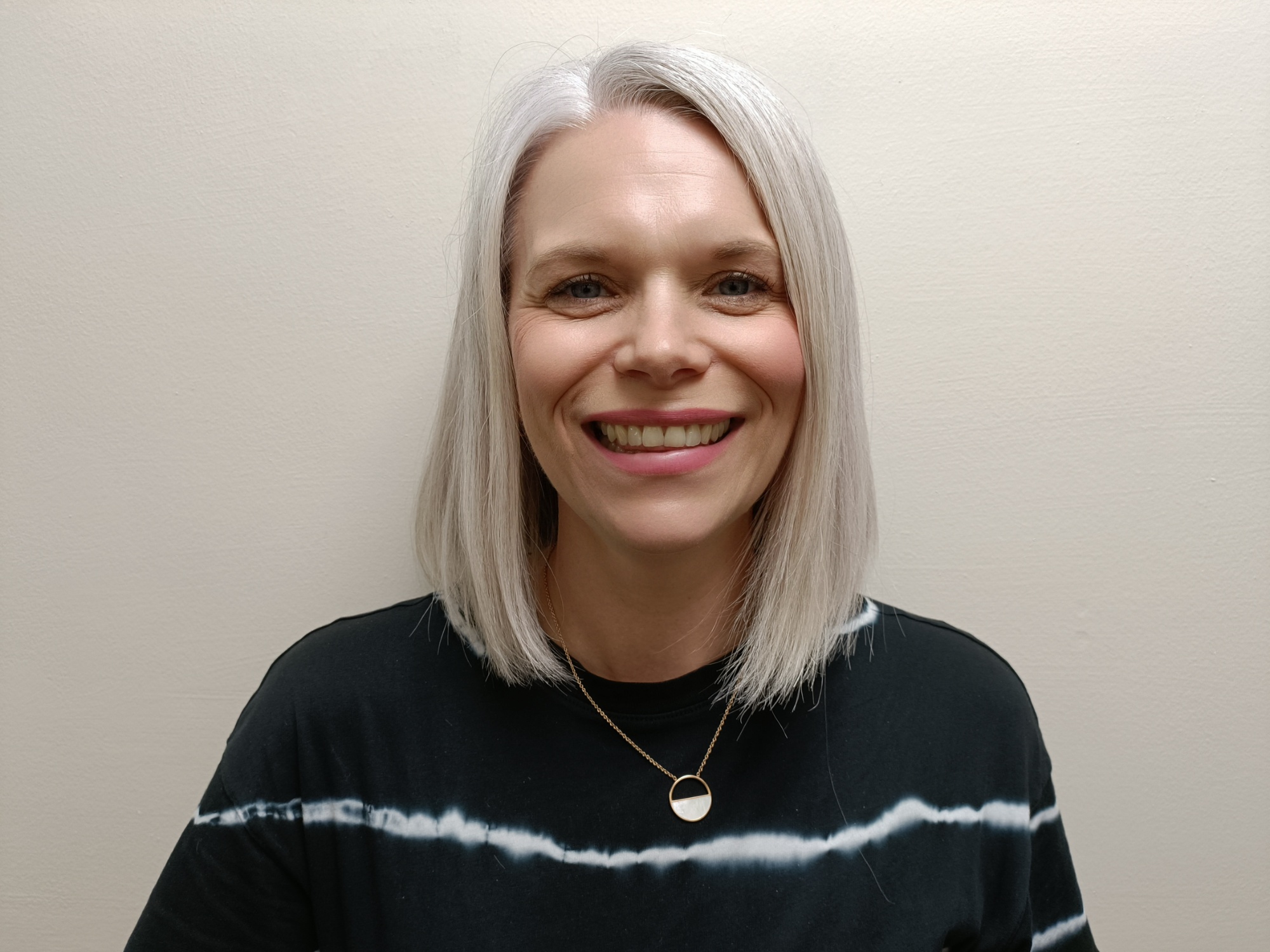
Helen Raddon, PSHE Teacher
Subject Vision:
I am Helen, and I have been teaching Personal, Social and Health Education (PSHE) for over twenty years, with the last ten spent proudly as part of the Brunel community. PSHE is a subject I care deeply about because it supports pupils in understanding relationships, health and wellbeing, and living in the wider world. These strands sit at the heart of helping young people prepare for life beyond Brunel.
One of the most meaningful parts of my role is supporting pupils, to develop the skills they will carry into adulthood. I love breaking learning down, adapting activities and creating a space where every pupil feels safe, included and able to succeed. Helping pupils build confidence, independence and self‑awareness is central to preparing them for the next steps in their lives.
Working with SEND learners has taught me the importance of patience, flexibility and genuine care. I value the small moments when pupils take a step forward — whether that’s expressing themselves, managing a challenge or recognising their own strengths. These are the skills that stay with them long after they leave Brunel, and being part of that journey is what keeps my passion for PSHE so strong.
Diversity and Inclusion
The PSHE curriculum develops pupils’ understanding of diversity, identity, and inclusion from Year 7 through Year 11, fostering respect, empathy, and confident, responsible citizenship. Across all year groups, the curriculum supports pupils in recognising difference, challenging prejudice, and contributing positively to their school and wider communities.
In the early stages, pupils explore identity, belonging, and healthy relationships. Activities such as structured discussion, reflection, and pupil voice encourage learners to express themselves safely, recognise the value of differences, and understand a range of lived experiences. This foundation builds social awareness, emotional literacy, and respect for others.
As pupils progress, learning deepens to include identity, diversity, inclusion, and digital wellbeing. Pupils engage with topics such as gender, cultural differences, racism, discrimination, and challenging stereotypes, while also developing self-worth, resilience, and skills for safe and responsible online behaviour. They learn to respond to pressures in relationships and social media thoughtfully and compassionately, promoting confidence and wellbeing.
In the middle and later years, the curriculum focuses on empathy, critical thinking, and active participation in inclusive communities. Pupils explore how identity, culture, and lived experience shape society, the importance of equality, and the impact of discrimination online and offline. Lessons equip learners with the knowledge and skills to challenge prejudice, celebrate difference, communicate respectfully, and build positive, inclusive environments.
Throughout all stages, the PSHE curriculum ensures that every pupil feels valued, represented, and safe, providing a progressive pathway from self-awareness and social understanding to advocacy, responsible action, and confident participation in diverse school, work, and societal contexts.
Identity and Belonging
The PSHE curriculum develops pupils’ understanding of identity and belonging from Year 7 through Year 11, supporting self-awareness, resilience, and positive participation in school and society. Across all year groups, the curriculum fosters empathy, emotional literacy, respect for difference, and the skills to navigate social, cultural, and digital environments safely and responsibly.
In the early stages, pupils explore personal identity, relationships, and belonging within the transition to secondary school. Lessons focus on self-expression, emotional regulation, healthy friendships, and celebrating diversity, providing a safe space for reflection and collaboration. Pupils learn to recognise how personal experiences, relationships, and cultural influences shape identity, while developing strategies to build positive connections.
As pupils progress, the curriculum broadens to include wider social influences on identity, such as media, peer groups, culture, and discrimination. They examine stereotypes, prejudice, and exclusion, while developing empathy, assertiveness, and critical thinking skills. Digital wellbeing is integrated, helping pupils navigate online pressures, social comparison, and safe interactions.
In the later years, pupils explore complex issues affecting personal and collective identity, including discrimination, extremism, unhealthy relationships, and societal pressures. Lessons develop skills for challenging harmful behaviours, supporting others, and making informed, ethical decisions. Through critical reflection, discussion, and problem-solving, pupils strengthen resilience, self-worth, and a sense of belonging.
Throughout all stages, the PSHE curriculum provides a dynamic, inclusive, and meaningful learning environment, promoting pupil voice, wellbeing, and social responsibility. By fostering self-awareness, empathy, and respect for diversity, it equips pupils to contribute positively to their communities and navigate the broader world as confident, compassionate, and responsible individuals.
Rights and Responsibilities
The PSHE curriculum develops pupils’ understanding of rights, responsibilities, and safe, ethical decision-making from Year 7 through Year 11. Across all year groups, pupils are encouraged to reflect on how their choices, behaviours, and relationships affect themselves and others, fostering respect, resilience, and positive citizenship.
In the early stages, pupils explore personal safety, respectful communication, peer influence, and online behaviour. They learn about their rights—to feel safe, be treated with respect, and access accurate information—alongside their responsibilities to act lawfully, communicate thoughtfully, and seek help when needed. Practical activities, discussions, and scenario-based learning build foundational knowledge and confidence in making informed, responsible choices.
As pupils progress, learning expands to include health, relationships, consent, and community participation. Pupils explore topics such as substance use, coercive friendships, equality, and social inclusion. They develop skills to resist peer pressure, act as positive bystanders, and understand the impact of their actions on others. Lessons are aligned with statutory guidance and support SEMH needs, promoting emotional literacy, critical thinking, and safe decision-making.
In the later years, pupils examine complex safeguarding issues, including online exploitation, criminal influence, financial risk, and harmful digital behaviours. They are supported to respond safely, challenge unsafe behaviour, and support peers with empathy and critical awareness. Lessons emphasise that offenders are responsible for abuse, and pupils are encouraged to take control of their actions, protect themselves and others, and uphold fairness and respect in relationships and digital spaces.
Throughout all stages, this PSHE curriculum provides a dynamic, inclusive, and meaningful learning environment. It equips pupils with the knowledge, skills, and confidence to navigate life safely, act responsibly, and contribute positively to school, community, and society.

