

Food Technology
Meet our Food Technology Lead
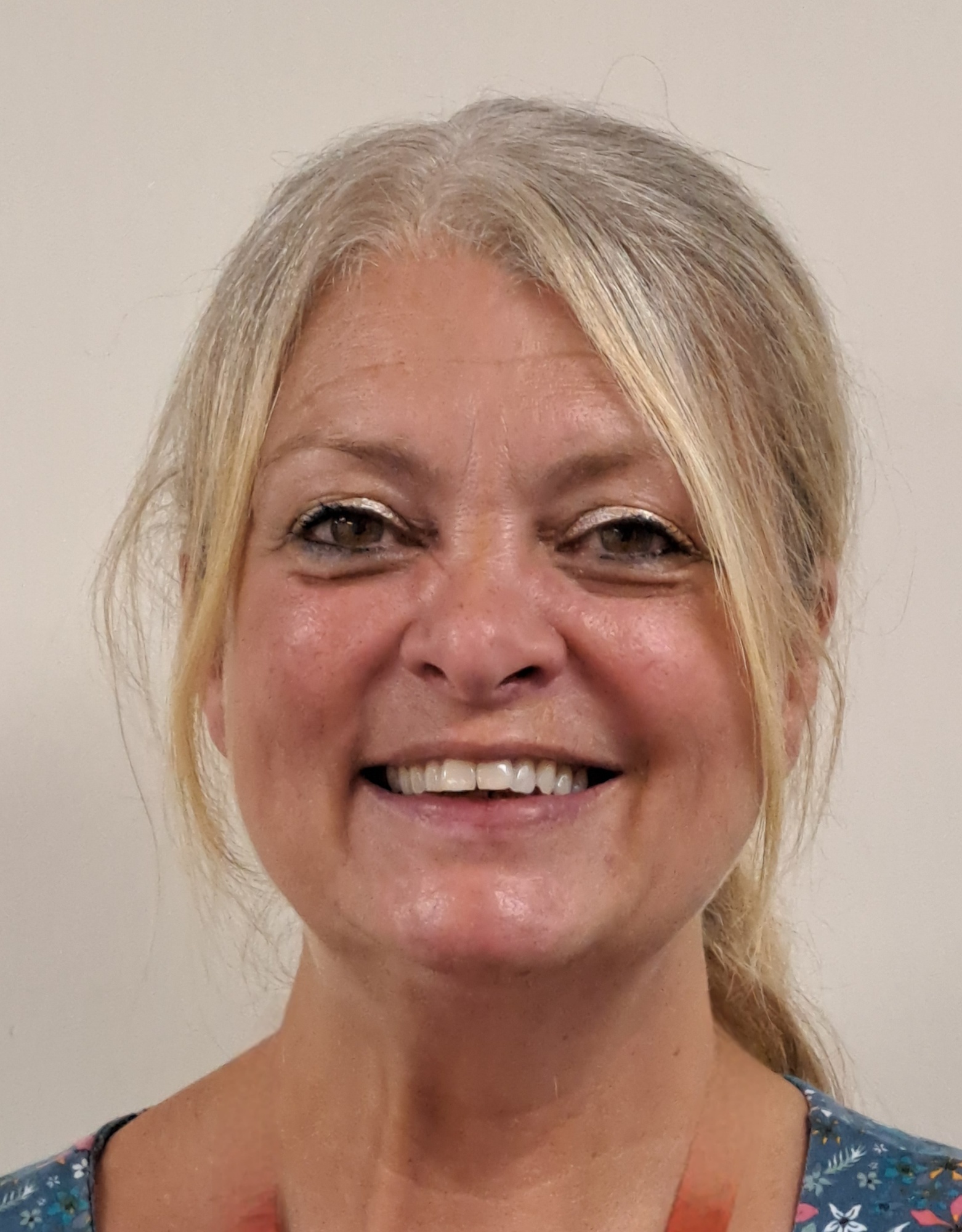
Linda Thompson-Wild, Food Technology Teacher
Diversity and Inclusion
From Years 7 to 10, the Food Technology curriculum develops pupils’ understanding of cultural diversity, inclusion, and community identity through practical cooking experiences. Learners explore global cuisine while building empathy, respect, and awareness of social and cultural differences, linking food to identity, belonging, and fairness. Lessons are scaffolded for SEMH learners, providing predictable routines, visual supports, and structured discussions to promote confidence, self-regulation, and respectful communication.
In Year 7, pupils study Street Foods Around the World, connecting prior learning about rights, responsibilities, and respectful behaviour to the diverse culinary traditions of different communities. They explore how geography, social roles, and access to resources influence food practices, and how these reflect identity, belonging, and inequality. Practical tasks develop teamwork, safe kitchen practices, and cultural appreciation, reinforcing empathy and respectful communication. This foundational unit prepares learners for exploring conflict and resolution through food in later years.
Year 8 revisits street foods with greater complexity, investigating how migration, cultural exchange, and social inequality influence recipes, flavours, and culinary traditions. Pupils practice advanced cooking techniques, adapt recipes for dietary needs, and evaluate dishes critically. Inclusive teamwork, respectful discussion, and empathy remain central, as learners connect global food practices to identity, belonging, and fairness. This unit prepares pupils for ethical consumption and sustainability in Year 9.
Year 9 deepens understanding of cultural diversity through global street foods, exploring historical, geographic, and social influences on cuisine. Pupils examine access to ingredients, cost, and traditions, building skills in adapting recipes for cultural or dietary requirements. Lessons foster regulated communication, empathy, and a secure sense of dignity, reinforcing the role of food in expressing identity, promoting belonging, and celebrating diversity. Pupils are prepared for further study of food systems, sustainability, and cultural wellbeing in Year 10.
Year 10 focuses on Home Cooking Skills, consolidating hygiene, preparation, and basic cooking techniques while promoting independence, confidence, and personal responsibility. Pupils reflect on the role of cooking in health, wellbeing, and daily life, adapting recipes for diverse backgrounds, cultural needs, and dietary requirements. Inclusion and respect for diversity are central, ensuring all learners feel represented and supported. This unit prepares pupils to take greater responsibility in later cooking projects, linking practical skills with cultural awareness, fairness, and community engagement.
Across all year groups, the curriculum uses practical food experiences to teach pupils about diversity, inclusion, and social responsibility, encouraging appreciation for different cultures, respectful collaboration, and the celebration of identity and belonging both in the kitchen and beyond.
Rights and Responsibilities
From Years 7 to 11, the Food Technology curriculum develops pupils’ understanding of personal responsibility, kitchen safety, hygiene, nutrition, and life skills, progressing from foundational skills to independent, advanced cooking. Each year builds on prior learning, embedding responsibility, resilience, and safe practices into practical food experiences while fostering personal development and contributing to the school community’s wellbeing.
In Year 7, pupils focus on basic kitchen safety, hygiene, and preparation skills, including safe knife techniques, accurate measuring, and preventing cross-contamination. Learners are encouraged to take responsibility for their workspace, understand the importance of healthy eating, and develop confidence and autonomy. These foundational skills prepare pupils for more complex cooking tasks and reinforce respect for themselves and others in a safe learning environment.
Year 8 builds on Year 7 foundations by introducing greater precision in measurements, timing, and chopping techniques. Pupils continue to reinforce hygiene and food safety while developing independence and collaborative working skills. The curriculum emphasizes personal responsibility, resilience, and respect, preparing learners for progressively challenging recipes and ensuring they understand their role in maintaining a safe and inclusive kitchen environment.
Year 9 extends practical skills and deepens knowledge of nutrition, portion control, and safe use of equipment. Pupils learn advanced preparation techniques, including sauce-making, dough handling, and managing appliances like ovens and blenders. They are encouraged to adapt recipes for dietary needs and explore global cuisines, promoting inclusivity and awareness of cultural diversity. Responsibility, teamwork, and healthy lifestyle choices are central, linking personal accountability to broader school wellbeing initiatives.
In Year 10, pupils work towards BTEC Level 1 Home Cooking Skills, gaining independence in preparing nutritious meals and managing time, workspace, and equipment. They apply safe, hygienic practices across multiple cooking methods, including boiling, baking, and grilling. The unit emphasises life skills such as budgeting, meal planning, and producing well-presented dishes, reinforcing resilience, personal responsibility, and contribution to the wider school community.
Year 11 develops advanced competence through BTEC Level 2 Home Cooking Skills, requiring learners to prepare a wider range of dishes with greater independence, precision, and time management. Pupils apply nutritional knowledge to meal planning, adapt recipes for dietary needs, and work confidently under pressure. The unit consolidates life skills, supports healthy lifestyle choices, and promotes responsibility, resilience, and personal development, preparing learners for adulthood and independent living.
Across all year groups, the curriculum integrates rights and responsibilities with practical cooking, teaching pupils to value safety, respect, independence, and accountability. These skills not only ensure success in the kitchen but also cultivate life-long habits, confidence, and responsible participation in both school and broader society.


