Outdoor Education
Meet our Outdoor Education Lead
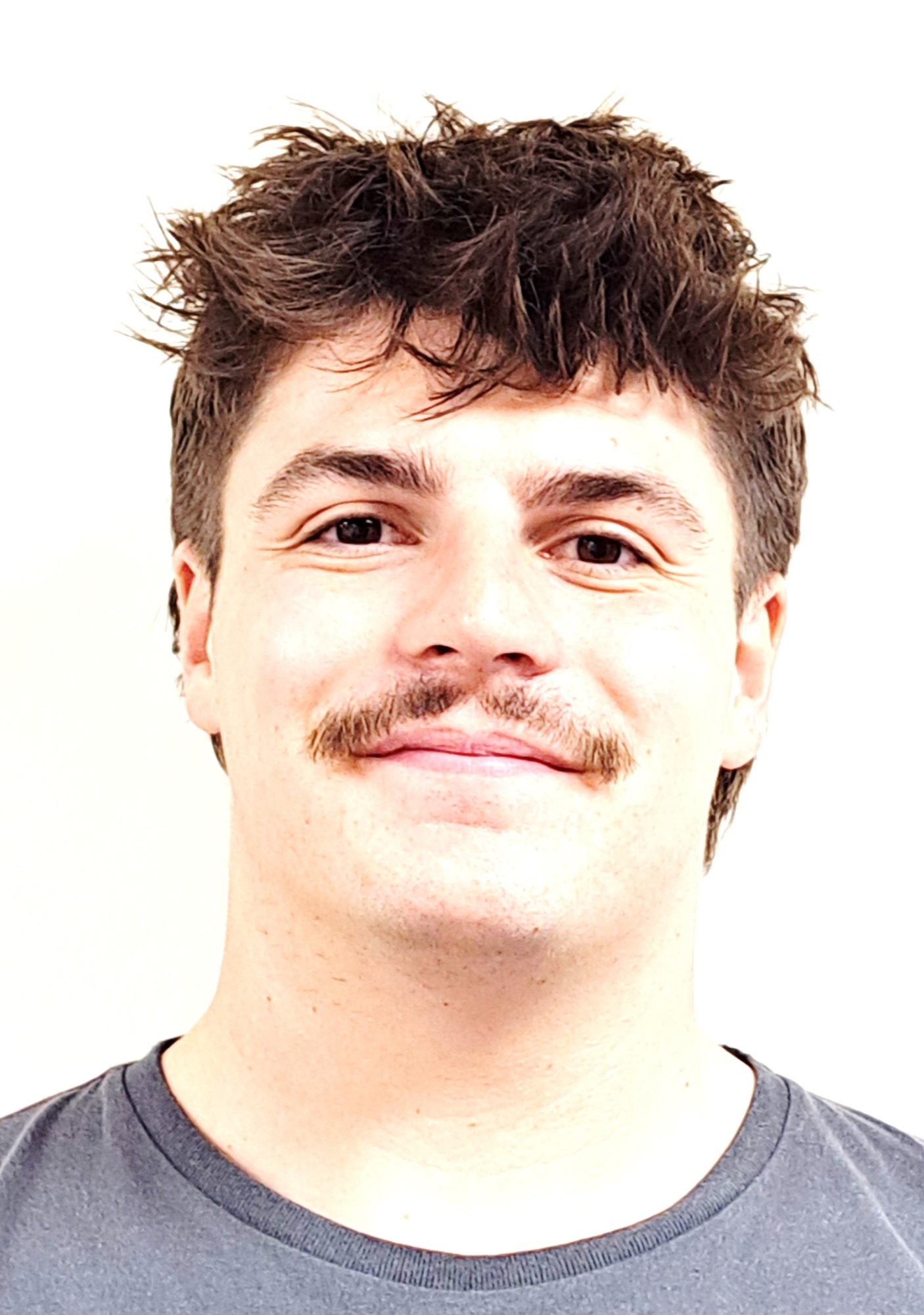
Luke Adey, Outdoor Education Teacher
Subject Vision:
Hello, Luke here, Brunel School’s Outdoor Eduction Teacher. I have always loved the outdoors and what adventures it can provide. Whether that is going for long walks and bouldering on Dartmoor or surfing trips to Newquay in the summer. Because of this passion I decided to become a teacher 4 years ago and specialise in SEND Education. Outdoor Education for me at Brunel School is more than just teaching a curriculum, it is about providing our young people with a variety of opportunities that allow them to grow key life skills and develop as young people. For example, within our weekly lesson’s our children will focus on effective communication amongst peers and staff, building confidence when faced with a new challenge and learning new life skills that they can carry with them into adulthood. The thing I enjoy most about teaching Outdoor Education is seeing our children face new challenges, these challenges are often individual to them and come in all shapes and sizes. Whether it’s trying a new activity for the first time or working in a large group effectively as a team. But it’s when they complete or overcome these challenges successfully and the look of pure joy on their faces is brilliant. I am really excited to be leading this Outdoor Education journey for our children and to hopefully facilitate individual personal development for each child at Brunel School.
Identity and Belonging
Aimed to grab the learner’s attention and foster excitement for Outdoor education, being a new subject on the school’s curriculum offer. Identity and belonging will lend its self well to this initial half term. Both KS3 and 4 will have opportunities to explore a range of environments within the local community and further afield. They will begin to identify particular activities and spaces that make them feel a sense of belonging and peace. Through a wide range of activities learners will begin to grow their identity further. Some may move towards sportier/ physic areas while others down a cultural and capital route.
Rights and Responsibilities
Each year group will complete a six-week block of top rope climbing while working towards their level 1 NICAS. This will include themes of confidence building, teamwork and safety. Progression should be observed from Y7-Y11 as their ability to follow instructions, demonstrate key skills/ safety knowledge and independence increases. Life skills such as trust in peers, teamwork and effective communication will also all be exploring throughout the climbing program. Building trust in one another is a key life skill and will then feed well into our teambuilding activities in spring 2. The learners will have a key responsibility of keeping themselves and peers safe while climbing. The gradual release of responsibility will happen as the year group goes up.
Diversity and Inclusion
Each year group will explore both indoor and outdoor leisure facilities. This aims to provide a variety of lived experiences that learners may carry with them into future life. Exploring leisure facilitates will allow our learners to feel a sense of belonging within their local community and further support them in using these facilities in later life. KS3 will focus on remembering and understanding the key fundamentals of each new facility, while KS4 should be evaluating the use of them and how these facilities may support them in adult life. Learners will experience a variety of different locations and venues. Staff will then support them in critically evaluating why they liked each one or not. This will be completed through ongoing formative assessment. Diversity and inclusion lend themselves well to exploring leisure facilities as these will be popular public spaces which our learners will be a part of and feel.
Conflict and Resolution
Each year group will be provided the opportunity to take part in a variety of offsite trips focussed around team building and team work activities. Teamwork is a critical skill that is learnt through various activities and experiences. The aim is for our learners to understand the different roles within a team, working together with a common goal and supporting each other to enable each individual to be their best self. The planning of these trips should include a variety of opportunities for both physical and intellectual leadership. Progression will be shown through increasing the complexity of the challenges and trips the learners will face. Conflict and resolution ties will into this half term as these core concepts may arise when working as a team. Staff will support the teams in managing these concepts and learning about them.
Sustainability and Ethics
Each year group will explore a variety of outdoor spaces, both free and paid for. Within this there will be opportunities to explore key life skills and play. The year 7s and 8s will focus on gaining an understanding of the outdoor space they are in. There will be links to sustainability and staff can support individual interests in the areas. The year 9s,10s and 11s will focus on growing their evaluative skills and should be able to critically choose which is their favourite locations and why. When planning the location choices, elements of sustainability and ethics will be considered. A variety of activities will also be provided.
Cause and Effect Consequence
Each year group will explore a variety of water-based activities and learn the key skills to take part in each alongside important safety information and knowledge. Cause, effect and consequence lends itself well to a half term full of water-based activities. Predominantly across both KS3 and 4 safety will be critical and play a role within learners growing their individual understanding of, if I do this, then this will be the natural consequence. The trips will play a vital role in teaching this key concept through a variety of angles and degrees of safety. KS3 will focus more so gaining an understanding and being able to apply this knowledge, while KS4 should be able to analyse the effects that a cause might have. This progress and knowledge will support our learners later in life across many challenges they may face.


.jpg?v=1786063773)