
Art
Meet our Art Lead
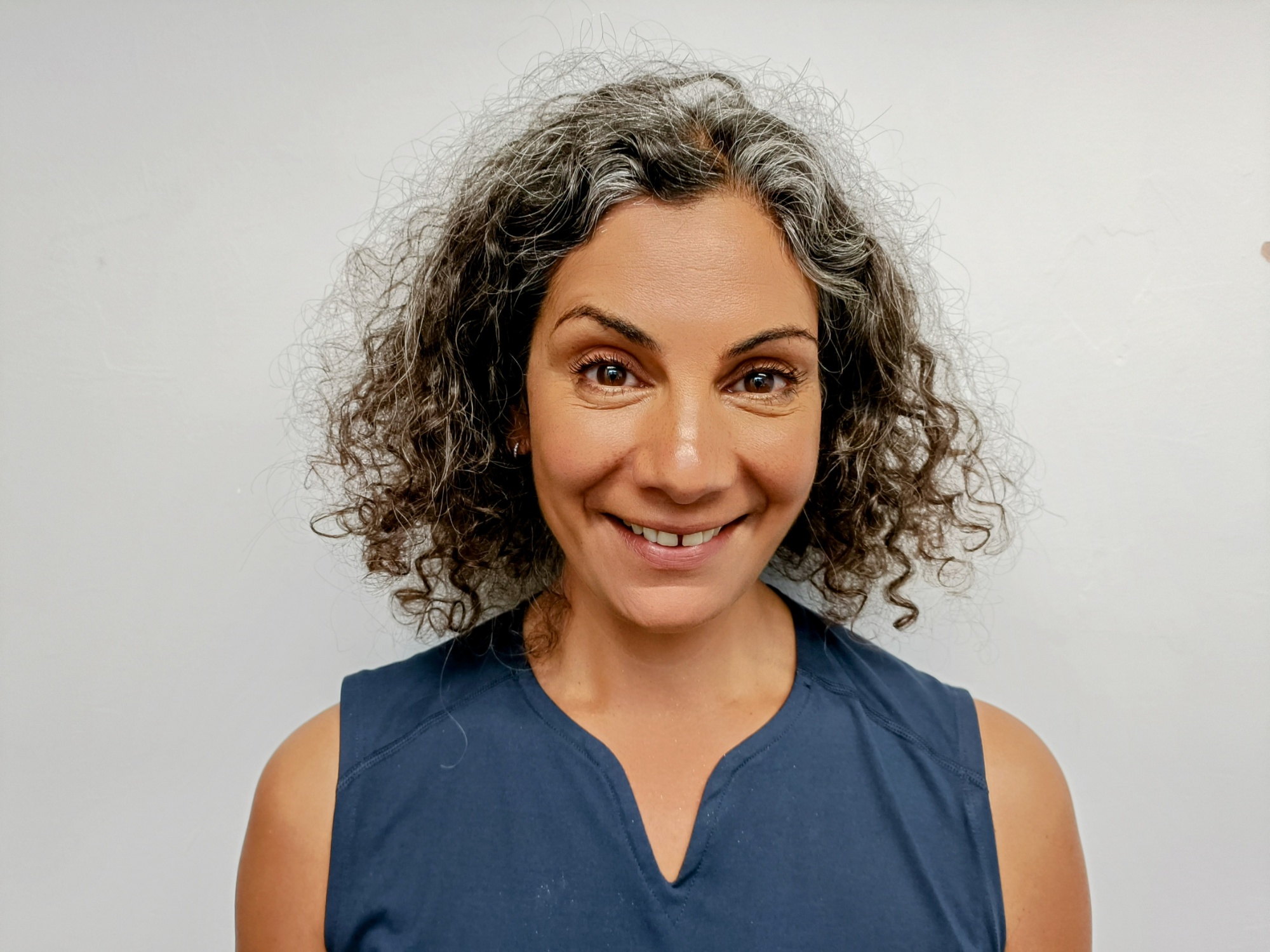
Naomi Galbraith, Art Teacher
Subject Vision:
As an Art teacher working with SEMH (Social, Emotional, and Mental Health) learners at Brunel School, I find immense joy and purpose in delivering a therapeutic, pupil-led Art curriculum within a trauma-informed framework. My role allows me to combine creativity with care, ensuring that every student feels safe, valued, and empowered to express themselves through art. I explicitly teach essential skills such as drawing, painting, and colour mixing in line with KS3 and KS4 National Curriculum targets, but I always begin with the individual—what interests them, what inspires them—and weave those passions into the school’s curriculum themes. This approach not only builds technical ability but also nurtures confidence and self-awareness.
The Art room is an inclusive space where pupils can explore a wide range of sensory experiences, using materials such as clay, cardboard, fabrics, and glue to help regulate big emotions while creating something meaningful. What I love most about my job is the variety and depth of connection it offers. Whether working with a whole class or in one-to-one sessions, there are always moments of magic—those times when a pupil who doubted their ability creates a piece they are proud to see displayed around the school. These experiences remind me why art is so powerful: it gives young people a voice, a safe space to explore emotions, and a way to understand themselves better. I am deeply passionate about my subject and the transformative process of creating something unique. For many of my pupils, art is not just a lesson—it’s a lifeline, and being part of that journey is an incredible privilege.
Identity and Belonging
The Art curriculum develops pupils’ understanding of identity and belonging from Year 7 through Year 11, providing a creative and inclusive space for self-expression, reflection, and exploration of personal and cultural narratives. Across all year groups, pupils engage with visual art to understand themselves, their communities, and how identity is represented through creative practice.
In Year 7, pupils begin by exploring personal and cultural identity through art. They study self-portraits, symbolic works, and cultural artifacts, reflecting on their own qualities, beliefs, and backgrounds. Through discussion, artist statements, and practical activities, students learn to use visual and symbolic language to express aspects of their identity, laying the foundation for confidence, self-awareness, and belonging.
Year 8 builds on this by focusing on cultural traditions, daily life, and personal experiences. Pupils study contemporary artists, such as Sam Nitro, and create mixed-media artwork reflecting their own or imagined cultural narratives. This fosters empathy, appreciation of diversity, and an understanding of how identity can be expressed visually.
In Year 9, pupils explore identity alongside social and emotional themes, including relationships, boundaries, peer pressure, societal expectations, and self-discovery. Artists such as Frida Kahlo, Tracey Emin, and Toyin Ojih Odutola provide inspiration for authentic self-expression and exploration of personal narratives. Pupils develop emotional literacy, communication skills, and critical thinking through visual storytelling.
At Key Stage 4, Years 10 and 11, pupils produce advanced artwork rooted in their lived experiences, cultural heritage, and personal challenges. They study artists like Loue Jover, Kehinde Wiley, and engage with Yoruba Masquerade traditions to explore identity across generations and communities. Pupils are encouraged to critically reflect on social issues, online identity, and contemporary culture, using accessible media such as social media, memes, and music.
Throughout all stages, the curriculum supports SEMH learners by providing a safe, structured, and inclusive environment. Pupils build confidence, independence, collaboration, and resilience while learning to articulate their sense of self, celebrate diversity, and explore belonging through visual art. Creative practice becomes a medium for self-expression, cultural understanding, and social engagement, helping students navigate personal and societal identities.#
Rights and Responsibilities
The Art and Design curriculum develops pupils’ understanding of rights and responsibilities from Year 7 through Year 11, providing a safe, inclusive, and expressive space for learning, creativity, and personal growth. Across all year groups, pupils engage with the visual elements of art—line, shape, colour, texture, form, pattern, and space—to explore personal identity, social themes, and their role within school and wider communities.
In the early stages, pupils focus on developing fundamental artistic skills through hands-on exploration of the visual elements. They experiment with lines, shapes, colours, textures, patterns, and three-dimensional forms, using drawing, painting, collage, clay, and recycled materials. Early projects introduce pupils to the concept of rights and responsibilities, encouraging self-expression, emotional regulation, and the celebration of diversity.
From Year 8 onwards, pupils apply these skills to collaborative projects that reflect the UN Convention on the Rights of the Child (UNCRC). Building on influences from artists such as Jean-Michel Basquiat and Keith Haring, students create mixed-media artworks that visually communicate ideas about children’s rights, social responsibility, and inclusion. These projects develop planning, composition, colour mixing, and layering skills while fostering teamwork, reflection, and empathy.
At Key Stage 4, the “My Voice, My Rights” project empowers pupils to explore identity, voice, and social responsibility through advanced techniques and new media, including photography. Pupils study artists such as Andy Warhol, Julian Opie, Cindy Sherman, and Annie Leibovitz, learning how visual art can communicate powerful messages about identity, society, and human rights. Lessons focus on creativity, collaboration, critical thinking, and self-expression, enabling pupils to articulate their rights and responsibilities through artistic practice.
Throughout all stages, the curriculum supports SEMH learners by offering a therapeutic, structured, and sensory-friendly environment. Pupils build resilience, confidence, and communication skills while learning to respect others, celebrate diversity, and contribute positively to their community. Art becomes both a personal and social tool, helping pupils understand the connection between creativity, rights, responsibilities, and their wider role in society.


