
English
Meet our English Lead
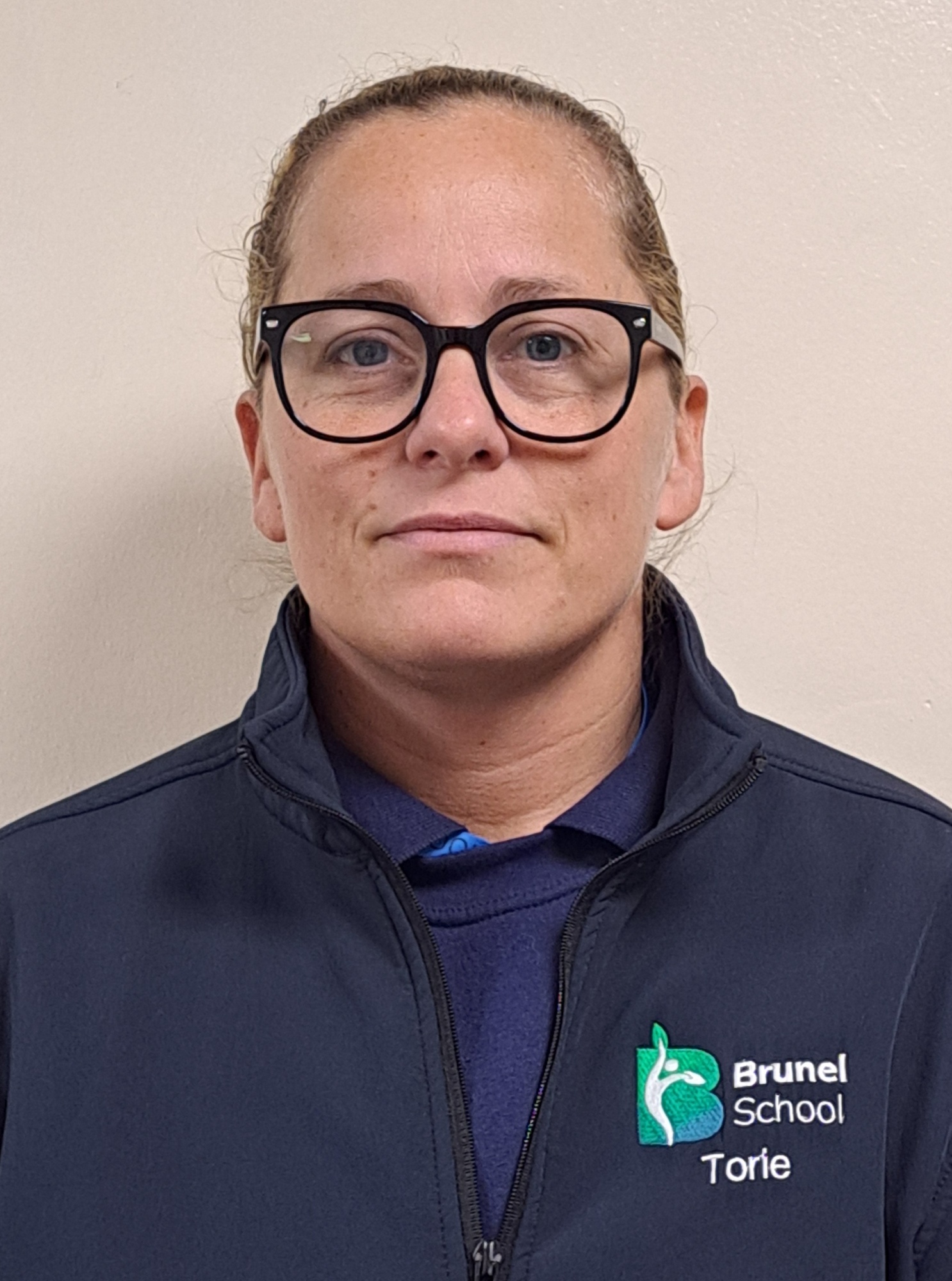
Victoria Castley, English Teacher
Subject Vision:
My name is Torie and I am the Lead of English at Brunel School. I currently teach English to years Year 9, 10 and 11. I have been teaching since 2006, after completing my Bachelor of Education at The College of St Mark and St John in Plymouth.
English wasn’t always my passion; I used to believe I wasn’t good at it because I always made mistakes. That changed when I met a teacher who believed in me and showed me that I could succeed. They took the time to explain things when I said, “I don’t get it!” for the twentieth time, and they helped me find ways to understand a subject I once despised. I remember feeling completely frustrated and dysregulated because I couldn’t see why it mattered that a writer chose red curtains in an extract. Then, one day, that teacher used art in an English lesson, and everything clicked. I realised that colours I naturally link to emotions can create those same feelings in a story. That moment opened my eyes to the power of language.
I aspired to become this person. English is the heartbeat of communication and creativity. It gives us the freedom to explore ideas, share opinions, and express who we are. For me, there is nothing more magical than getting lost in a book and stepping into another world or crafting descriptive writing that paints vivid pictures in the mind. These experiences are powerful and I want every pupil to feel that same sense of possibility.
Many of our learners, like me arrive with negative feelings about English but I strive to change that by creating a culture of confidence and curiosity. Watching, developing and encouraging pupils to discover their own voice, whether through storytelling, debate, or creative expression, and seeing them grow in self-belief is the most rewarding part of my role.
Outside of school, I enjoy rugby and roller skating and I’m proud to have represented Devon Deaf against England Deaf earlier this year.
Living with autism, ADHD and a hearing loss has taught me resilience and the importance of overcoming barriers; an ethos I bring into my classroom every day. At Brunel, English isn’t just a subject; it’s a gateway to imagination, empowerment, and a future full of possibilities.
Diversity and Inclusion
This English curriculum embeds Diversity and Inclusion as a progressive strand from Year 7 to Year 11, developing literacy skills alongside empathy, social awareness, and readiness for adult life. The pathway is carefully sequenced to support learners with social, emotional, and learning needs, using step-by-step approaches that build confidence and resilience.
In the early stages, learners explore difference, kindness, and empathy through accessible fiction, helping them understand perspectives beyond their own while developing core reading, vocabulary, and sentence-writing skills. As learners progress, the focus shifts to recognising discrimination and its impact through real-life non-fiction texts. This stage promotes reflection, respect, and improved communication, while strengthening comprehension, sentence variety, and supported speaking and listening.
In the middle years, English lessons broaden learners’ cultural awareness through diverse stimuli and descriptive writing. Learners develop imagination, vocabulary, and technical accuracy while gaining appreciation for different cultures and viewpoints. As skills mature, learners are taught inference and interpretation, enabling them to look beyond literal meaning and consider intentions, emotions, and consequences. These skills are explicitly linked to fairness, empathy, and inclusion.
By Year 11, learners critically engage with issues of equality, representation, and power in texts and media. They develop persuasive writing and confident speaking skills, preparing them to communicate respectfully, challenge unfairness, and participate positively in diverse workplaces and communities
Identity and Belonging
This English curriculum strand explores Identity and Belonging as a progressive theme that supports learners’ self-understanding, communication skills, and preparation for adult life. Across the pathway, learners develop confidence in expressing who they are, understanding others, and recognising how language shapes belonging in personal, social, and professional contexts.
In the early stage, learners explore identity through creative and visual storytelling. Activities such as comic strips and story mapping encourage reflection on personal experiences, culture, and connections with others. By comparing their own lives with different cultures and perspectives, learners begin to develop empathy and a sense of global awareness. Alongside this, foundational writing, vocabulary, and SPaG skills are strengthened, supporting emotional literacy and self-expression.
As learners progress, the focus shifts to identity within community and society. Learners are encouraged to find and use their voice through speaking and listening tasks, including presentations on personal interests and values. Reading skills develop to include inference, tone, and viewpoint, while writing becomes more purposeful through transactional texts such as letters, emails, and reports. This stage supports learners to communicate effectively in real-life and functional contexts.
In the final stage, learners apply their understanding of identity and belonging to formal and professional settings. They engage with workplace texts, explore inclusive and persuasive language, and practise adapting tone and register for different audiences. Through CV writing, interviews, and presentations, learners gain confidence in presenting their identity while recognising expectations of future education, employment, and society.
Rights and Responsibilities
This English curriculum strand develops learners’ understanding of rights and responsibilities through a carefully sequenced exploration of power, choice, consequence, and social justice. From Year 7 to Year 11, learners build literacy skills alongside ethical awareness, empathy, and confident communication.
In the early stage, learners explore rights and responsibilities through characters who misuse or challenge power, alongside heroic figures who act for the greater good. Through discussion, inference, and creative writing, learners consider how choices have consequences and how language shapes perception and responsibility. This stage establishes the foundations for ethical thinking and clear expression.
As learners progress, they engage with real-world issues such as homelessness, racism, and the gender pay gap through extended writing tasks and varied text types, including reports, articles, and letters. Oracy is embedded as a key right, with learners developing confidence in being heard while learning to listen respectfully to others. Writing stamina, structure, and accuracy are strengthened alongside social awareness.
In the middle years, learners analyse persuasive texts and authorial intent, recognising how language can influence, manipulate, or inspire change. They develop the skills to argue, persuade, and advise thoughtfully, while learning to value different viewpoints and overcome communication barriers in a supportive environment.
In the later years, learners connect literature to social responsibility through texts such as An Inspector Calls and historical accounts of women’s rights. By analysing injustice, inequality, and resilience, learners deepen moral reasoning and empathy. Writing and discussion empower them to articulate informed views, communicate responsibly, and recognise their role in promoting fairness and equality in society.


